Numerous studies have shown that the timing of dinner can significantly affect your health — particularly your blood sugar levels, risk of obesity, and sleep quality.
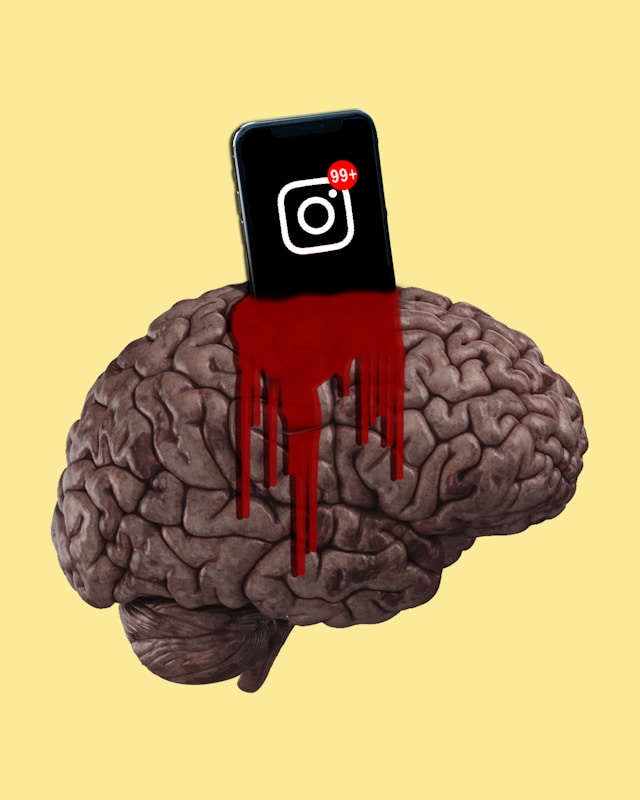
As screens have become a central part of life for both children and adults, an important question arises: Is excessive use of digital platforms truly harmful to the brain, or are we exaggerating the link between screen time and mental health issues?
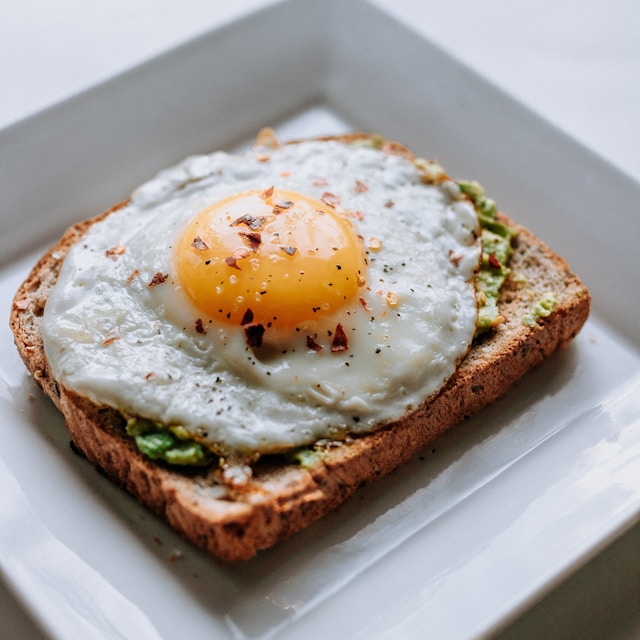
Skipping breakfast—whether due to intermittent fasting or lack of appetite—can affect the body in several ways. It may increase energy and alertness for some people, while for others it could lead to mood swings, poor dietary quality, or a drop in energy levels.
A study from the University of Geneva has highlighted the toxic risks that may result from high-protein diets, which can lead to severe neurological disorders.
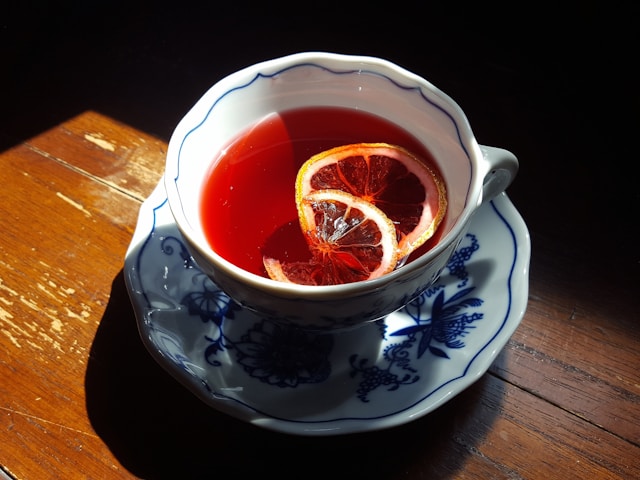
Hibiscus offers health benefits that contribute to lowering blood pressure, whether it’s consumed hot or cold. The hibiscus flower contains powerful compounds like anthocyanins and flavonoids, which are known for their therapeutic properties.
Nathaniel Hawthorne’s *The Scarlet Letter* (1850) is a landmark of American literature, offering a profound psychological and moral exploration of guilt, redemption, and the oppressive nature of societal judgment. Set in 17th-century Puritan Massachusetts, the novel centers around Hester Prynne, a woman shamed for bearing a child out of wedlock.





.jpeg)


.jpg)